Hormuz in Red: Energy Is Back in Charge

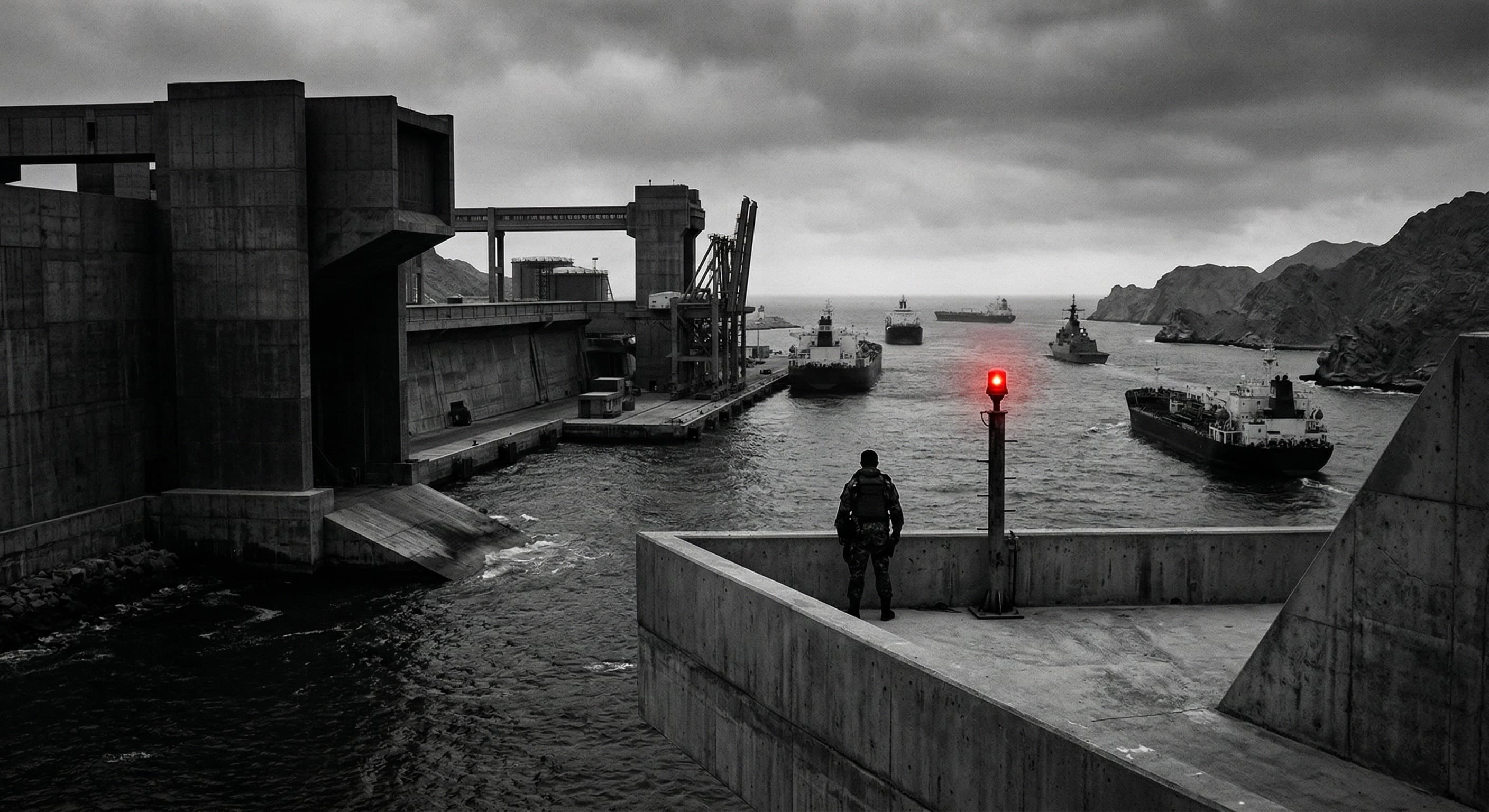
This is not a one‑day spike; it’s a regime shift. When the Strait of Hormuz becomes de‑facto unpassable, energy stops being just an economic variable and turns back into a security variable. Markets are saying it the only way they can: price and risk.
Core thesis: the Hormuz shock is re‑anchoring inflation through energy and forcing markets and central banks to re‑price risk in real time.
1) Energy: the shock is already here
AP reports U.S. crude up 6.3% to $71.23 and Brent up 6.7% to $77.74 in a single day, while European gas surged more than 40% after QatarEnergy halted LNG production. It’s a double hit: oil + gas. That doesn’t just raise gasoline costs—it raises industrial input costs and electricity prices in a region still healing from 2022.
The market is pricing a risk map, not a demand curve. Supply can exist; if it can’t move safely, prices rise anyway.
2) Hormuz: a choke point with global scale
Al Jazeera, citing the EIA, puts the scale in plain numbers: around 20 million barrels per day flow through Hormuz (≈20% of global oil), and roughly a fifth of global LNG also transits the corridor. Most of those flows head to Asia. That means the shock doesn’t stay in the Gulf; it propagates directly into Asian supply chains and the global gas price.
The same report notes elevated pressure on transit, with ship owners suspending or avoiding the crossing. The critical point isn’t formal closure—it’s financial closure: pricier insurance, wary captains, and cargoes stuck. That’s the kind of closure that transmits fastest into prices.
3) Markets: risk is being re‑tagged everywhere
The Guardian reports Brent spiking intraday to $82 and broad equity declines across Europe, while gold rose as a haven. The pattern is classic: geopolitical risk → energy up → equities down → safe havens up. The takeaway isn’t a single print; it’s the signal that the market is re‑calibrating the “price of stability.”
For central banks, this is awkward. If energy rises while wages remain tight, inflation becomes stickier. That doesn’t force hikes tomorrow, but it raises the bar for cuts.
Implications (30–90 days)
- Harder‑to‑kill inflation. Energy shocks act like a global tax. Even if demand cools, input costs re‑heat.
- Risk premium becomes structural. Firms and governments adjust inventories, hedges, and contracts as if risk is permanent.
- Europe and Asia take the bigger hit. Higher dependence on imported LNG means a larger competitiveness shock than in the U.S.
Short close: Hormuz doesn’t just move barrels; it moves expectations. And when expectations and inflation tilt up together, everything else—rates, margins, valuations—gets more expensive. This isn’t a headline; it’s a new base price.
Sources
- AP News — Energy prices surge as Strait of Hormuz tanker disruptions rattle global supply (Mar 3, 2026): https://apnews.com/article/oil-prices-iran-us-hormuz-tanker-8a6d6fb35c89d9b0db4c4846f290c2c3
- Al Jazeera — How US-Israel attacks on Iran threaten the Strait of Hormuz, oil markets (Mar 1, 2026): https://www.aljazeera.com/news/2026/3/1/how-us-israel-attacks-on-iran-threaten-the-strait-of-hormuz-oil-markets
- The Guardian — Gas prices soar and oil jumps as Iran war pushes down global stock markets (Mar 2, 2026): https://www.theguardian.com/world/2026/mar/02/oil-prices-iran-war-strait-of-hormuz-shipping