Hormuz reopens the logistics risk premium

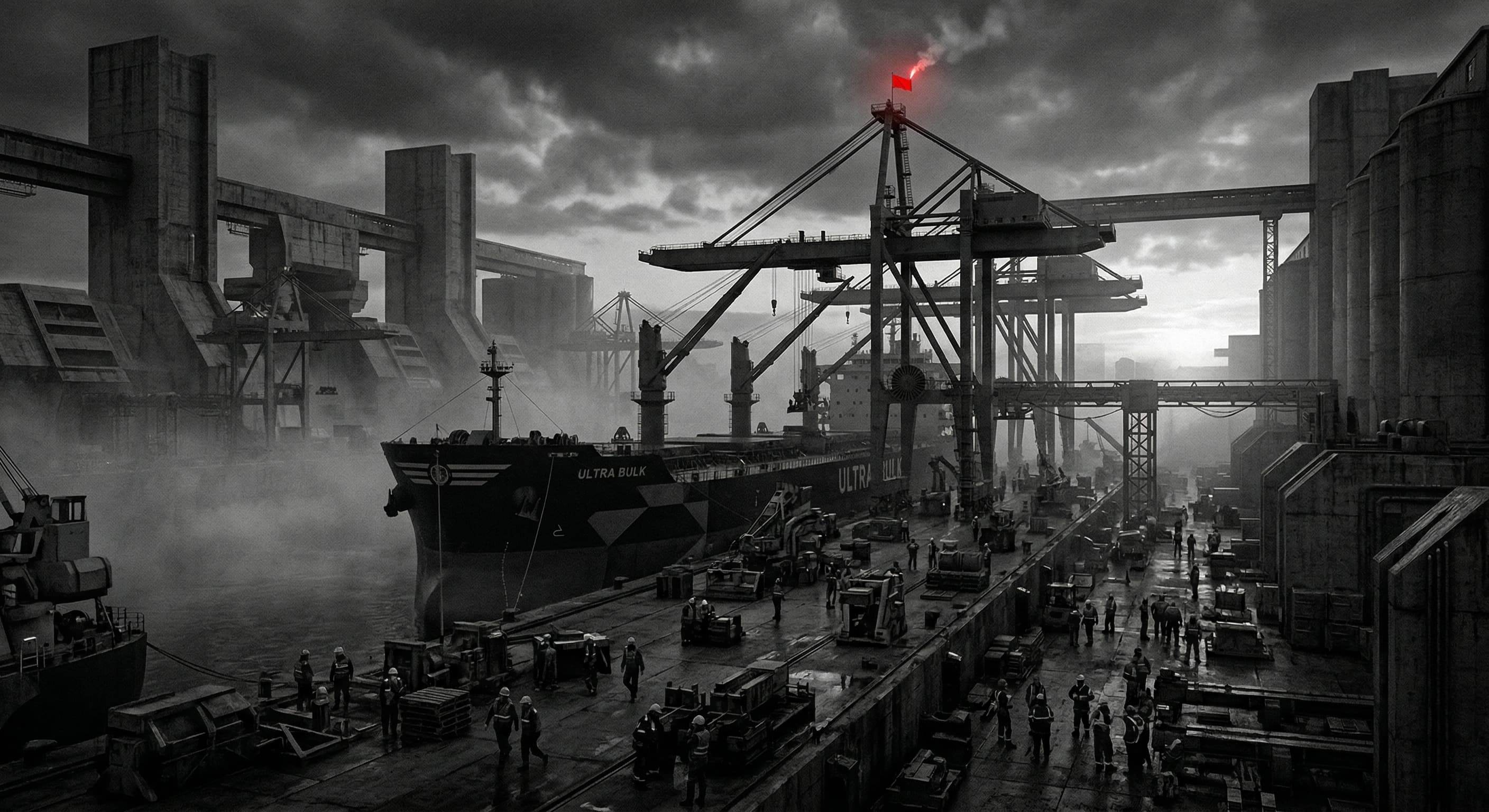
Markets aren’t reacting to a headline; they’re repricing a structural cost. Hormuz just flipped from a geopolitical risk to a logistics multiplier: insurance, freight and diversion. The barrel matters, but the cost to move it is the real shock. The thesis: the logistics risk premium is back as macro—and it bleeds into energy, inflation and trade.
1) War‑risk insurance: the new “tax”
Al Jazeera reports that marine insurers are canceling war‑risk coverage in the Gulf and that premiums have jumped as high as 1% of a ship’s value from roughly 0.2% a week earlier. Translation: a $100 million tanker goes from ~ $200,000 per voyage to about $1 million.
That’s not a rounding error. Without insurance, ships don’t sail. With expensive insurance, the cost passes straight into freight and then into energy and any supply chain that runs on diesel or gas.
2) Freight at record highs: the price of moving the barrel
CNBC cites VLCC freight (2 million barrels) hitting an all‑time high: $423,736 per day, up 94% from Friday. At the same time, major war‑risk providers are pulling coverage and shipowners are avoiding transits.
The scale is the point: Hormuz carries roughly one‑third of seaborne crude, about 19% of global LNG and 14% of refined products. A choke point that big doesn’t create a one‑off spike—it creates a persistent risk premium.
3) Physical disruption: attacks and de‑facto halts
Euronews details a drone‑boat attack on a tanker off Oman and widespread suspension of transits by major carriers. The consequence looks like a de‑facto operational pause: ships anchored, routes diverted, and crude prices popping (~7% in their reporting window).
This isn’t theoretical risk. It’s physical disruption forcing immediate logistics decisions—and it shows up in prices and lead times.
Implications (30–90 days)
- Sticky energy inflation. The shock isn’t just the barrel; it’s insurance and freight. That spills into transport, petrochemicals, fertilizers and electricity.
- Higher operating capital costs. When risk is variable, contracts shorten and financing costs rise.
- Logistics fragmentation. More rerouting, more inventory, less efficiency. Redundancy becomes the price of resilience.
Short close
Geopolitics doesn’t just lift prices—it rewrites the cost equation. Hormuz is the reminder that logistics can turn macro overnight. When insuring and moving energy get expensive at the same time, inflation stops being a scare and starts being structure.
Sources
- CNBC — Oil supertanker rates hit all-time high as insurers drop war risk protection in the Middle East (Mar 3, 2026): https://www.cnbc.com/2026/03/03/middle-east-crisis-iran-us-shipping-oil-tankers-strait-of-hormuz.html
- Al Jazeera — Maritime insurers cancel war risk cover in Gulf (Mar 3, 2026): https://www.aljazeera.com/economy/2026/3/3/maritime-insurers-cancel-war-risk-cover-in-gulf-will-it-spike-energy-cost
- Euronews — Another oil tanker hit by drone boat as Strait of Hormuz tensions rise (Mar 2, 2026): https://www.euronews.com/business/2026/03/02/another-oil-tanker-hit-by-drone-boat-as-strait-of-hormuz-tensions-rise