Energy is in charge again: $100+ oil, gas spikes, and rate cuts on hold

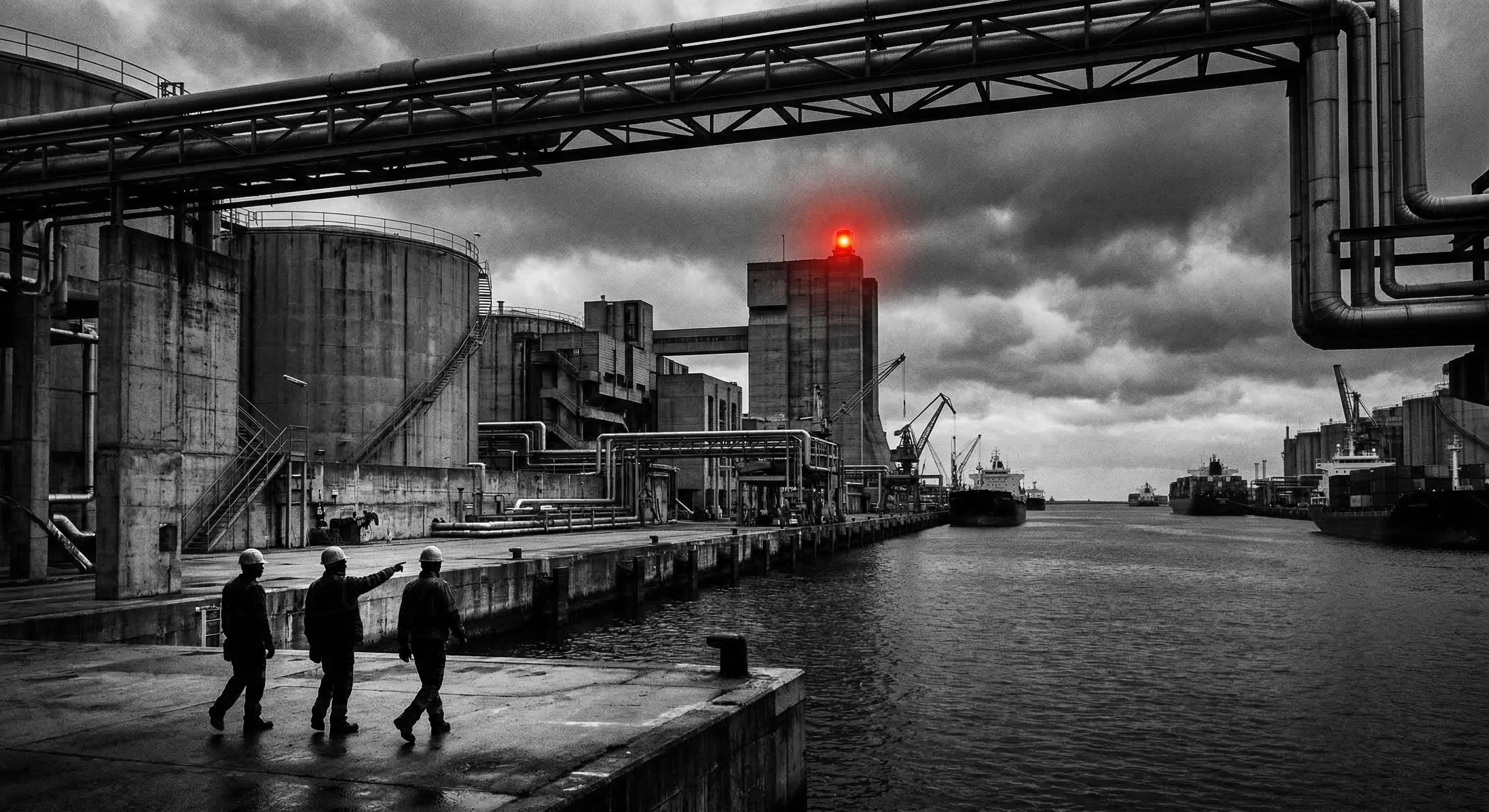
Markets finally got it: this isn’t just a crude spike, it’s a supply shock with monetary policy in the crossfire. Oil jumped back above $100, European gas surged, and equities traded like a crisis. Energy is setting the tempo again.
Thesis: the Gulf conflict — with an effective Hormuz shutdown and regional shut‑ins — has reopened energy‑driven inflation risk at the worst possible moment for central banks. Rate‑cut expectations get repriced, and the “soft landing” narrative takes a hit.
1) Oil moved from risk to rupture
CNBC reports a historic intraday move: Brent touched $119.50 and WTI hit $119.48 before easing toward $103–$107. The trigger is the Hormuz disruption and strikes on energy infrastructure. Former IEA oil chief Neil Atkinson called a prolonged closure “unprecedented,” and Iraq and Kuwait have already started shutting in output, with broader Gulf exposure if the corridor remains closed. This is no longer “higher prices” — it’s a physical constraint.
2) Europe feels it first: gas + equities + rates
Euronews notes broad European equity losses (FTSE, DAX, CAC, Stoxx 600) while European gas jumped more than 14% above €61/MWh, near three‑year highs. The key isn’t the print; it’s the macro loop: energy‑led inflation returns, and rate‑cut expectations shift upward. That pressure hits industrial margins and bank valuations quickly.
3) Emergency policy talk, limited firepower
Euronews and Al Jazeera point to G7 discussions about releasing strategic reserves. That can dampen the spike, but it doesn’t replace lost flow if Hormuz stays pinched. Prices can cool intraday, yet the risk premium sticks. The market reads the signal: the energy cycle is geopolitical again.
Implications (30–90 days)
-
Supply‑side inflation, rate cuts delayed. Sustained $100+ oil and tighter gas keep central banks cautious even with slowing growth.
-
Europe and Asia are the weak links. Net importers take the hit first: higher costs, political pressure, weaker growth. The U.S. is cushioned, not immune.
-
Corporate strategy shifts to continuity. Expect longer contracts, higher inventories, and tighter force‑majeure clauses. Resilience competes with CAPEX.
Close
The clock has flipped: energy first, monetary policy second. If Hormuz remains constrained, this won’t be a headline — it will be a macro tax. And that bill is paid in rates and growth.
Sources
- CNBC — “Sky is the limit”: Analysts warn oil prices could surge further (Mar 9, 2026): https://www.cnbc.com/2026/03/09/oil-prices-iran-war-middle-east-us-israel-strait-of-hormuz.html
- Euronews — European markets dip as oil prices soar and European gas prices jump (Mar 9, 2026): https://www.euronews.com/business/2026/03/09/european-markets-dip-as-oil-prices-soar-and-european-gas-prices-jump
- Al Jazeera — Oil soars past $100 a barrel, stocks plunge as US-Israel war on Iran rages (Mar 9, 2026): https://www.aljazeera.com/economy/2026/3/9/oil-soars-past-100-a-barrel-amid-iran-war