The war premium lives on even as oil cools

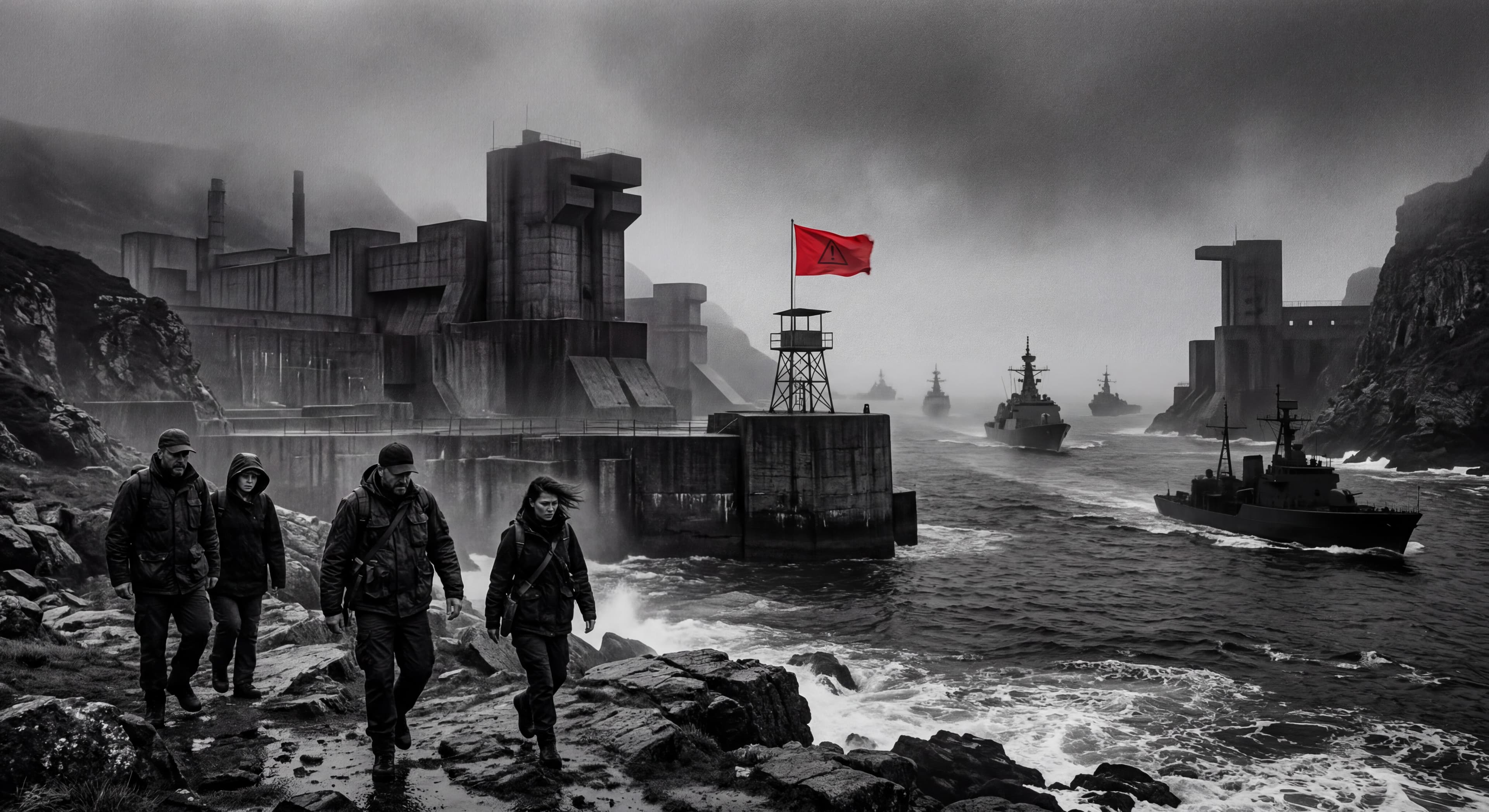
Oil cooled, headlines exhaled, and markets cheered. But the macro story didn’t reset: the war premium didn’t disappear — it relocated. When the barrel relaxes, logistics, insurance, and protection costs tighten. And this shift arrives while central banks are still shrinking balance sheets.
Thesis: diplomacy drained the crude war premium, but geopolitical risk still charges a toll through critical routes and financial friction. With the ECB running QT, the shock is not a blip: it’s a mix of logistical risk + thinner monetary buffers.
1) Oil fell, but uncertainty didn’t
FinancialContent (March 10) notes WTI sliding to $88–$89 and Brent to ~$92 after de‑escalation signals in the Middle East. Markets had flirted with $120 scenarios if Hormuz were shut. The message: diplomacy can deflate the barrel premium, but it doesn’t erase corridor fragility.
2) Hormuz is flow, not just price
CSIS highlights attacks on facilities and threats to shipping that slowed traffic through the Strait. The piece points to risk of prolonged interruptions to oil and LNG exports. The U.S. response includes naval escorts and insurance backed by the U.S. International Development Finance Corporation, plus a sanctions easing move to bolster supply. Translation: risk is now operational and financial, not just energy pricing.
3) The ECB keeps draining liquidity
The Eurosystem’s weekly statement (as at March 6) shows continued runoff: securities held for monetary policy fall ~€22.4bn and total assets drop ~€50.3bn. It’s not a new hawkish turn, but it does matter: less liquidity means less shock absorption.
Implications (30–90 days)
-
The shock migrates to friction costs. The barrel eases, but insurance, protection, and transit times rise. That hits physical goods first.
-
Higher margin volatility. If supply depends on escorted routes, marginal costs become harder to forecast. Firms will shorten contracts or price in a bigger risk buffer.
-
Europe stays exposed. Lower energy inflation helps, but QT reduces the cushion just as logistical shocks intensify — a bad mix for manufacturing and exports.
Close
Markets want to believe a crude pullback is a reset. It isn’t. Geopolitical risk is shifting from price to flow, and it’s happening with liquidity still draining. The next scare may not come from the barrel — it may come from the insurance bill.
Sources
- FinancialContent — “Oil Prices Crater as Diplomatic Breakthrough in Middle East Defangs 'Hormuz Shock'” (Mar 10, 2026): https://markets.financialcontent.com/stocks/article/marketminute-2026-3-10-oil-prices-crater-as-diplomatic-breakthrough-in-middle-east-defangs-hormuz-shock
- CSIS — “What Does the Iran War Mean for Global Energy Markets?” (Mar 9, 2026): https://www.csis.org/analysis/what-does-iran-war-mean-global-energy-markets
- ECB — “Consolidated financial statement of the Eurosystem as at 6 March 2026” (Mar 10, 2026): https://www.ecb.europa.eu/press/annual-reports-financial-statements/wfs/2026/html/ecb.fst260310.en.html