The Strait of Hormuz Now Has a Toll Booth — Priced in Yuan

Yesterday markets rallied because Iran was "reviewing" the US peace proposal. Today, Iran's Foreign Minister Abbas Araghchi ended the suspense: "we have not engaged in talks and we do not plan on any negotiations." The oil dip lasted less than 24 hours.
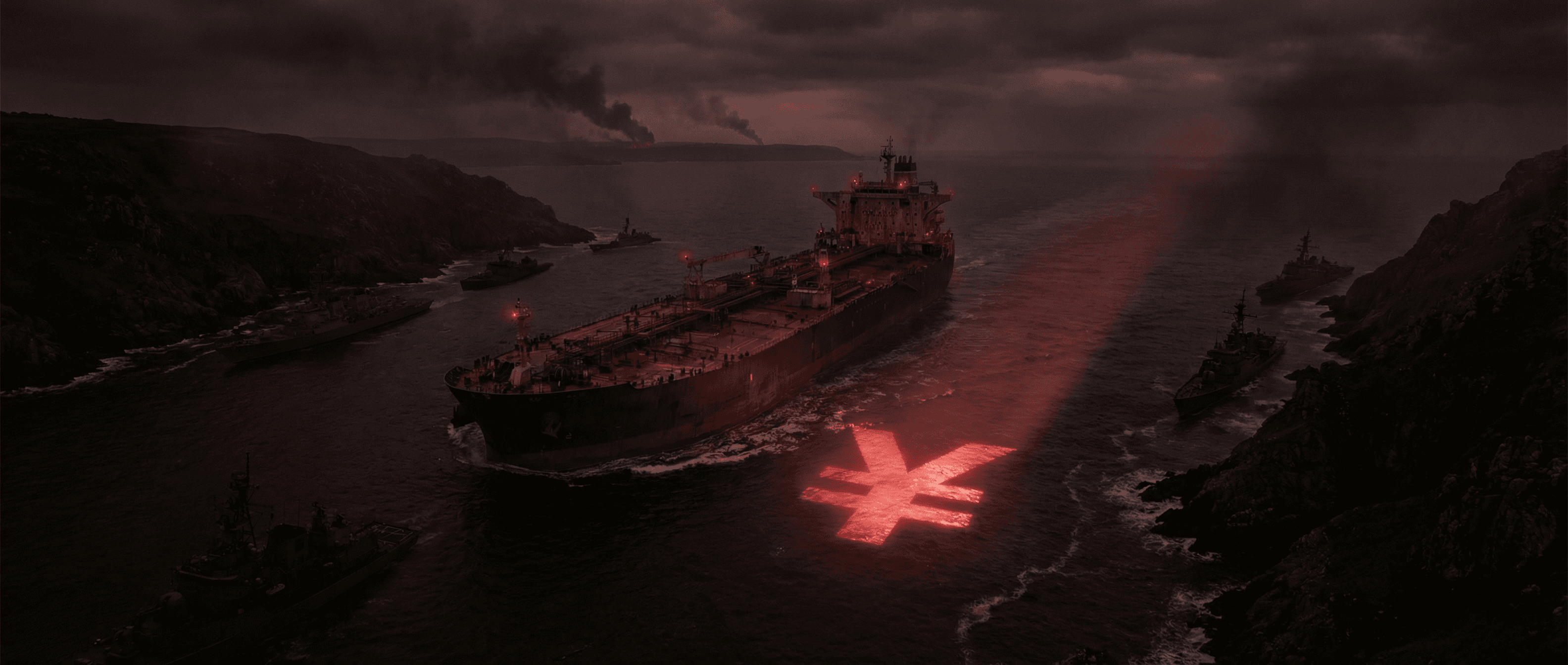
Thesis: The Strait of Hormuz has become a toll booth priced in Chinese yuan, backed by Iranian military force. The US is sending Marines to respond. This is no longer just an energy price war — it's a direct confrontation over who controls the most critical chokepoint in the global energy order.
1. The Yuan Toll: A Real-Time Petrodollar Fracture
Iran is running what industry experts now call a "de facto toll booth regime" on the strait. Some ships are paying in Chinese yuan to pass through. Not dollars.
Iran's formal counter-proposal to the US's 15-point ceasefire plan demands sovereignty over the Strait of Hormuz, war reparations, and abandonment of any nuclear demands. It's designed to be rejected. But the yuan toll is already operational on the ground — no treaty required.
The direct implication: China, Iran's main customer and now paying those tolls in yuan, has a structural incentive for this system to survive. If yuan-denominated energy transit becomes normalized, it's the first real and functional fracture in petrodollar dominance since the 1970s.
2. The US Responds with Marine Boots on the Ground
The White House is deploying the USS Tripoli amphibious assault group with 2,500 Marines, plus 1,000 paratroopers from the 82nd Airborne Division. US Central Command Admiral Brad Cooper was blunt: "We're not done yet." His forces have already destroyed 92% of Iran's largest ships and more than two-thirds of its missile, drone, and naval production facilities.
The likely target, per multiple analysts: Kharg Island, the terminal that handles 90% of Iran's crude oil exports. A seizure of Kharg would be the biggest escalation since February 28th. It would also be the first time US ground forces set foot on Iranian soil.
Trump seized Maduro before anyone believed he would. The pattern — massive force buildup followed by sudden action — is the same.
3. The Diplomacy Is Theater: The Attacks Never Stopped
While Tehran was "reviewing" the American plan, its forces struck Kuwait International Airport — a fuel tank went up in flames. Israel hit Tehran. Iran attacked Gulf Arab states. Trump's five-day pause expires March 28th. No one on the Iranian side is observing it.
The playbook is familiar: negotiate publicly to buy time, escalate in the field to improve your position. What changed today is that Washington appears to have reached the same conclusion.
Implications
Energy: Brent will bounce again once markets process Iran's rejection. The real floor is in physical infrastructure — and that hasn't improved. The $130+ tail risk in the next 48–72 hours is higher today than yesterday.
Global finance: A yuan-denominated energy toll, even partial and temporary, is a historical precedent. Central banks holding dollars as reserve assets are watching this very closely.
Europe: ECB frozen at 2%. European gas at double price. UK inflation heading for 5%. The ECB's extended energy shock scenario puts eurozone inflation at 3.5–4.4%. No room for error.
Close
Yesterday's rally was an 18-hour trade built on a hope that Iran publicly dismissed before midnight. Today's game isn't whether there will be negotiations — Tehran already said no. The game is whether the Marines on the USS Tripoli are going to land, and when.