Insurance Sets the Toll at Hormuz

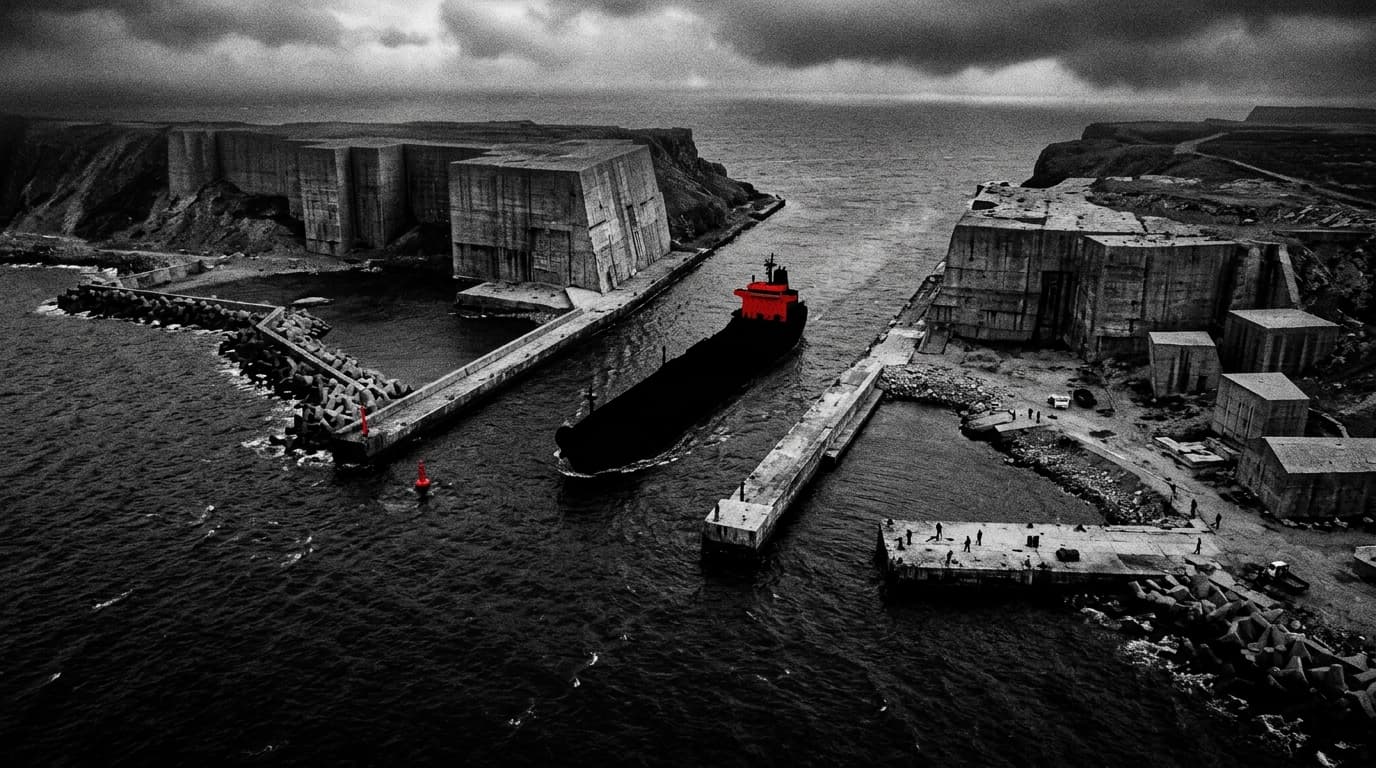
Oil isn’t being priced only at the refinery anymore. It’s being priced in insurance. When cover explodes, the real flow freezes. That’s Hormuz today.
Thesis: the bottleneck isn’t physical, it’s financial. The cost of insuring a Hormuz crossing has multiplied, and governments are now trying to backstop it. Result: energy is repriced by risk, and the security premium becomes structural. Security has become as tangible a line item as crude itself.
1. Insurance turned from friction into a toll
Euronews reports that before the escalation, a one‑week Hormuz policy cost 0.15–0.25% of hull value. Quotes now run 5–10%. For a $100M VLCC, that’s millions per transit. Ships are also coordinating passage with Iranian authorities and some remain queued for clearance, adding delay costs on top. There are only limited pipeline bypasses; most Gulf exports still depend on the strait. Insurance is no longer “operational cost”; it’s a toll that decides whether the ship sails.
2. The market is in “no clear price” mode
AFP via Economic Times notes premiums swinging between 1–5%, with other brokers citing 3.5–10%, changing hour by hour. Quote windows are shrinking (down to roughly 12 hours) and uptake on Hormuz‑specific policies is tiny. Market participants are effectively pricing a stop‑go shipping regime. And insurers emphasize traffic is down due to security, not lack of cover. The signal is blunt: military risk is choking real throughput.
3. Washington is turning insurance into policy
Insurance Journal reports the U.S. is preparing a maritime reinsurance program with naval escorts to restart traffic. It’s a tacit admission: if insurance doesn’t fall, commerce doesn’t move. The same report notes releases from strategic reserves and other price‑relief options being weighed. Hormuz still carries about one‑fifth of global oil and gas; once the policy is politicized, the market loses its “natural” price.
Implications
Stickier energy inflation: “more supply” isn’t enough. If insurance is a variable tax, shocks last longer and hit Europe and Asia harder. Expect wider risk premia in energy‑intensive sectors and more pressure on margins.
Structural logistics risk: shippers and traders reprice routes, inventories, and hedges. That lifts costs across energy‑intensive supply chains and pushes bigger “just‑in‑case” buffers.
A new industrial agenda: more spend on alternative routes, storage, and maritime security. The transition isn’t stopping; it’s being reordered around resilience.
Close
The market learned an uncomfortable lesson: the price of energy is set by insurance as much as by the barrel. This is a preview of how trade gets priced when chokepoints are contested. As long as risk stays high, the security premium will run the cycle.