The machines now set the pace

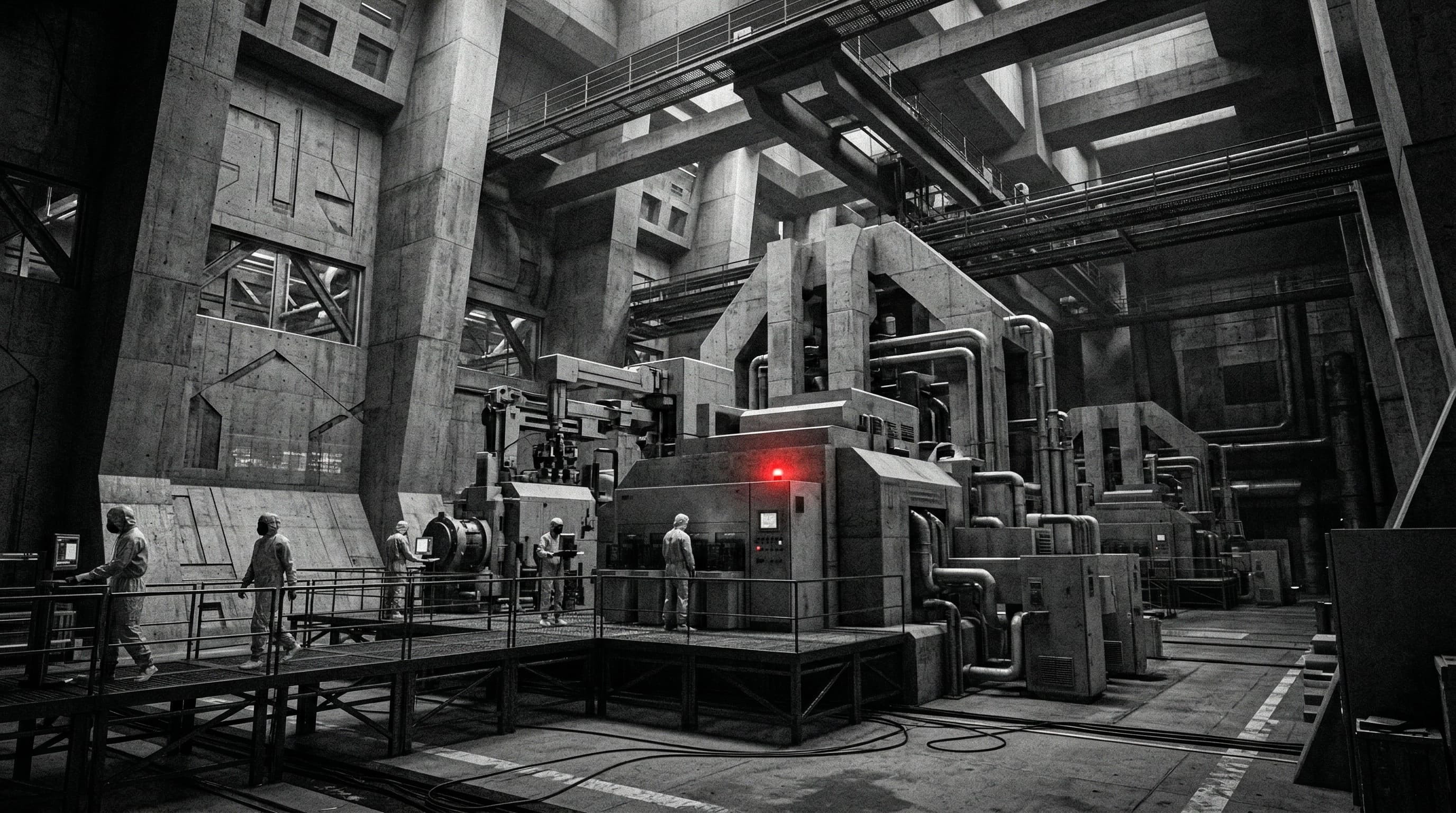
The chip war just leveled up: it’s no longer about chips, it’s about machines. Over the last few days, Congress accelerated its push to control critical manufacturing equipment. At the same time, the maritime world is confirming that security choke points are no longer episodic — they’re the new operating floor. The thesis is straightforward.
Thesis: the global tech race is decided at control points (machines and routes). This isn’t an efficiency race; it’s an access race.
1. The MATCH Act: closing the machine door
NBC News reported that a bipartisan group in the House introduced the MATCH Act, a bill that would severely restrict sales of advanced semiconductor manufacturing equipment to China and other countries. The goal is to close loopholes in existing export controls and extend the ban beyond finished chips.
That flips the vector: blocking EUV is hard enough; limiting DUV and related services makes dependency structural.
2. Multilateral pressure targets ASML and Japan
TechResearchOnline notes the bill aims to align allied countries to apply similar restrictions. The logic is simple: unilateral bans leak; coordinated bans bite.
The piece highlights that China has been a major buyer of critical tools and that the law targets immersion DUV lithography, which can still produce very advanced chips even without EUV. This is the signature move of this phase: don’t cut total supply, cut the qualitative leap.
3. The sea confirms the pattern: security becomes a permanent cost
On the maritime front, Naval News reports Western naval chiefs say the Red Sea threat remains active, and the EU plans to extend Operation Aspides until February 2027. Translation: global trade doesn’t normalize quickly; surveillance and rerouting become part of the price.
Technology and logistics are telling the same story: the system is baking permanent security costs into the global supply chain.
Implications
1) Capex is no longer optional — it’s defense. For semis, data centers, and hardware, redundancy shifts from inefficiency to operational insurance.
2) The AI race becomes a permissions race. Access to machines and services decides who can scale, not just who has talent or capital.
3) Markets start pricing “control risk.” Demand isn’t the only variable; licenses, vetoes, coalitions, and protected routes now carry a premium.
Close
Chips are the product, but machines are the power. And when security rules, the price is set by whoever controls the choke point. The global economy is entering a regime where industrial policy and geopolitics don’t correct the market — they design it.