Supply security mode: energy, lanes, chips

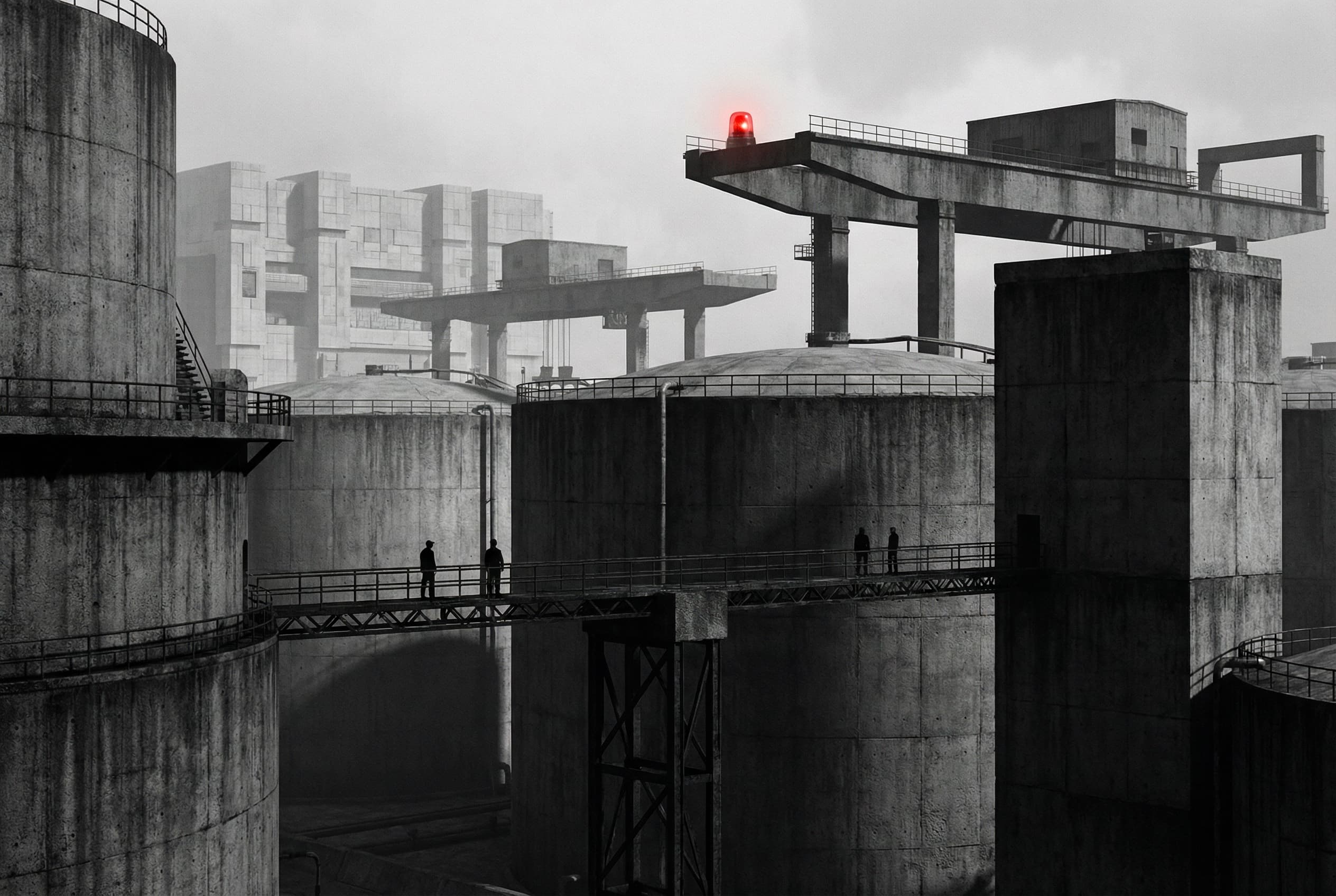
The cycle isn’t in charge today. Supply security is. When energy, shipping lanes, and chips are treated as strategic assets, the market becomes a secondary variable. That change is already visible in policy signals and pricing behavior.
Thesis: we’re entering a “custodial supply” phase — barrels, routes, and critical hardware are managed as instruments of power. It’s a shift from efficiency‑first to resilience‑first. The outcome is more structural risk, higher costs, and more politics baked into prices.
1) OPEC+ is managing stability, not just price
On April 5, eight OPEC+ countries agreed to implement a 206,000 bpd adjustment starting in May, within the 1.65 mbd voluntary cuts announced in 2023. The statement emphasized full flexibility to increase, pause, or reverse the phase‑out depending on market conditions.
But the real signal isn’t the number — it’s the framing. OPEC+ underscored the importance of safeguarding maritime routes and warned that attacks on energy infrastructure increase volatility. Translation: the core risk isn’t just supply/demand anymore, it’s operational security of supply.
2) The Red Sea risk is back on the map
Associated Press reported that a Houthi missile attack on Israel has revived fears of renewed assaults on Red Sea shipping. The context is more fragile because the Strait of Hormuz remains virtually closed, and any escalation near Bab el‑Mandeb would force more rerouting around the Cape of Good Hope.
AP notes that around 12% of global trade typically passes through Suez. Disrupt that artery and freight costs rise, delivery times stretch, and goods inflation re‑accelerates. This isn’t a one‑off shock; it’s a persistent geopolitical toll.
3) The tech vise is tightening
CNBC reported that U.S. lawmakers introduced the MATCH Act, aiming to align allies on tighter export controls to China. The key signal: restrictions could expand to ASML’s DUV tools, not just EUV.
ASML already expected China to be ~20% of 2026 sales (down from 33% in 2025). If the restrictions expand, the hit isn’t just corporate — it’s industrial capacity across an entire bloc. Critical tech is moving directly into national‑security logic.
Implications
1) A structural geopolitical premium. If energy and trade flows depend on escorts, deterrence, or emergency deals, the base price rises. Volatility doesn’t fade; it becomes the regime.
2) Persistent logistics inflation. Maritime detours + chokepoint risk = higher freight and slower supply chains. That feeds into goods prices, margins, and monetary policy.
3) Real tech bifurcation. Export controls are now architecture, not episodes. Firms will invest in redundancy, compliance, and the “geopolitics of hardware.” Less efficiency, higher fixed cost.
Close
Three signals in a week, one pattern: supply is no longer neutral. Barrels, lanes, and chips are being governed by security logic — and when security leads, the market pays.