Fragile truce, intact premium

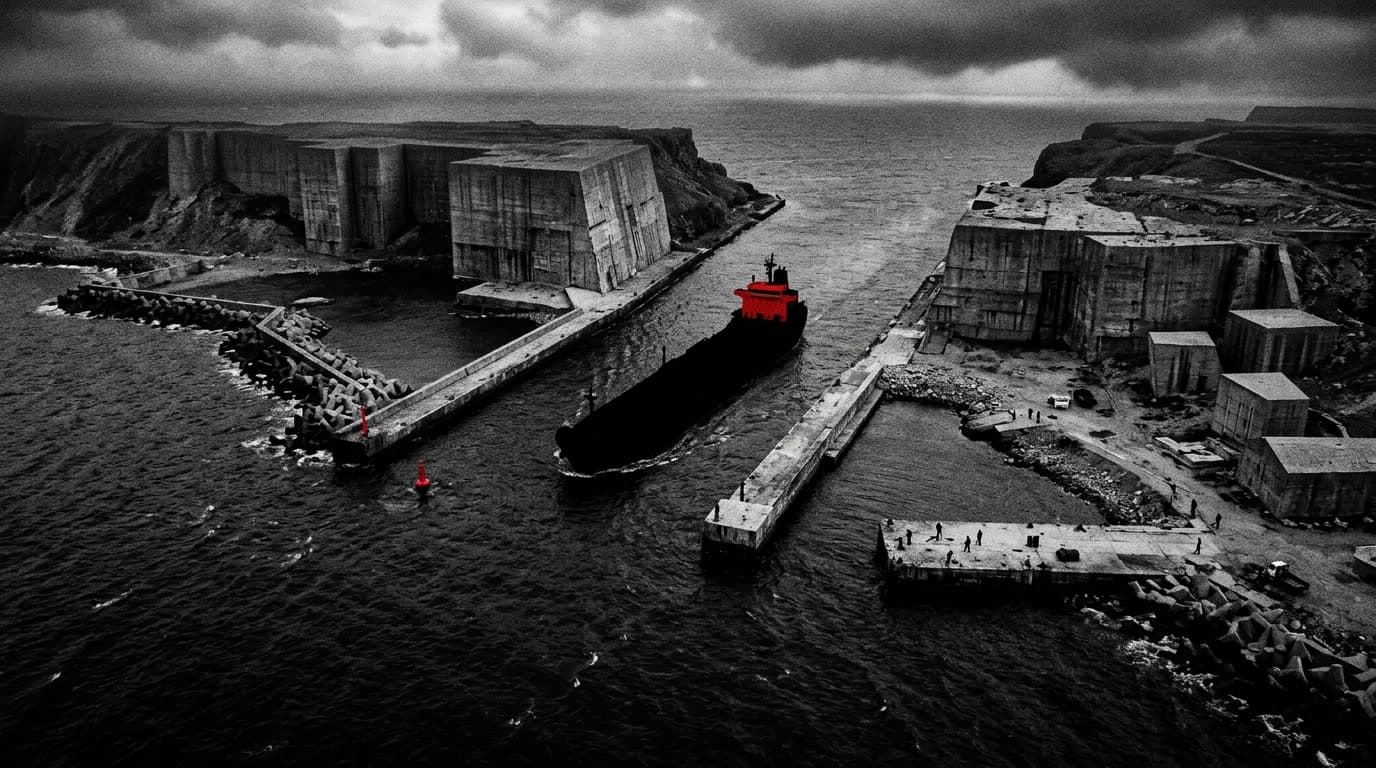
Markets exhaled after the U.S.–Iran truce. But risk didn’t vanish — it shifted. The signal is not “normalization,” it’s a short, negotiated window. Price moves, but access is still contested.
Thesis: the truce cuts the immediate shock risk, not the geopolitical premium. Hormuz may reopen, but on conditions. That keeps energy expensive, logistics fragile, and monetary policy on edge.
1) The truce is short and conditional
NPR reported a two‑week ceasefire centered on reopening the Strait of Hormuz for safe passage. CNBC added the key caveat: Iran says transit requires coordination with its armed forces. That’s not normalization — it’s operational control. The lane opens, but only under a gatekeeper model.
2) Oil fell… but the premium remains
UPI reported double‑digit declines in Brent and WTI after the announcement, stabilizing around $95.51 and $96.48 per barrel. Yet prices remain far above the pre‑war level (about $72 on Feb. 27). The message: markets believe in the truce, not in stability. The risk premium compressed; it did not disappear.
3) The equity rally is relief, not a reset
UPI also highlighted a broad rebound in stocks (Nikkei +5.4%, KOSPI ~+7%, Hang Seng +3%). That is classic post‑shock risk‑on — but the catalyst is temporary relief, not a durable settlement. As long as Hormuz depends on ad‑hoc military coordination, the “back to normal” narrative is fragile.
Implications
1) A structural logistics premium. An “open but conditional” strait raises insurance, freight, and planning costs. Supply chains can’t optimize around daily security decisions.
2) Expensive energy = stickier inflation. Even after the drop, crude sits well above pre‑conflict levels. That keeps price pressures alive and complicates central‑bank calibration.
3) More politics, less cycle. When energy access depends on tactical deals, the cycle loses explanatory power. Volatility stops being an anomaly and becomes the baseline.
Close
The truce bought time, not peace. Markets celebrated the breath — but permission is the real price. In a world where Hormuz runs on armed coordination, the geopolitical premium doesn’t go away: it gets managed.