Permission premium

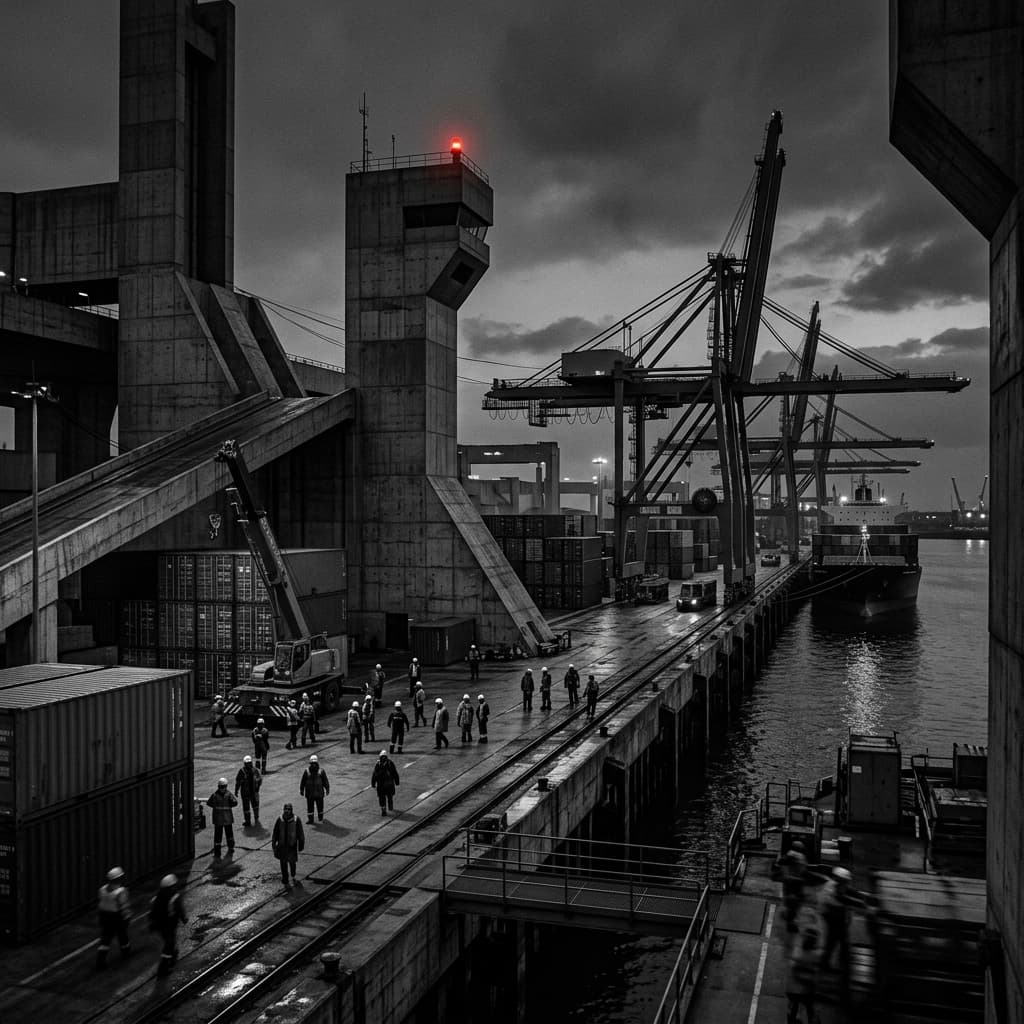
The news isn’t that oil is expensive. The news is that access now rules. Supply can exist, but passage, insurance, and licensing are the real levers. Markets are starting to price a world where geopolitics sets the floor, not just capacity.
Thesis: we’re entering a permission‑premium regime. Energy and technology are no longer governed only by cycles; they are governed by authorizations, routes, and controls. That lifts the price floor and stretches volatility.
1) OPEC+ moves, but with the brake on
In its April 5 statement, OPEC+ announced a 206,000 bpd adjustment to voluntary cuts starting in May and stressed flexibility to pause or reverse the plan as conditions evolve. It also highlighted the importance of protecting maritime routes and the impact of attacks on energy infrastructure. The signal isn’t expansion — it’s defensive management.
2) The hike is more symbolic than physical
Euronews noted that the increase is under 2% of the supply disrupted by Strait of Hormuz disruptions and that oil cannot flow normally while transit remains conditional. In other words: there is quota, but not passage. It’s a paper move meant to signal stability more than deliver barrels. That gap between announced capacity and actual flow is now the pricing lever: traders aren’t just modeling spare capacity, they’re modeling escorts, insurance, and political windows. The margin becomes a security premium.
3) Tech policy tightens in parallel
In technology, the pattern is the same: access control. A proposed U.S. bill — the MATCH Act — aims to tighten export restrictions on advanced chipmaking equipment to China and extend controls to allies. The signal is clear: supply exists, but permission becomes strategic. That raises costs, delays, and fragments investment.
Implications
1) Expensive energy, stickier inflation. If access depends on secure routes and political decisions, prices don’t revert easily. Disinflation slows even if demand softens. That keeps term premia elevated and complicates rate‑cut timing.
2) Slower, more regional tech capex. When licenses are the bottleneck, fabs are planned by geopolitics. Friend‑shoring accelerates, timelines lengthen, costs rise.
3) Structural risk in markets. Volatility stops being a one‑off event and becomes the environment. The premium isn’t paid once — it becomes a standing operating cost.
Close
The global economy isn’t just negotiating prices; it’s negotiating permissions. A barrel without passage is a theoretical barrel; a chip without a license is a fictional chip. In this regime, the risk premium doesn’t disappear: it gets institutionalized. Expect it to persist for years across commodities and chips.