Hormuz isn’t open

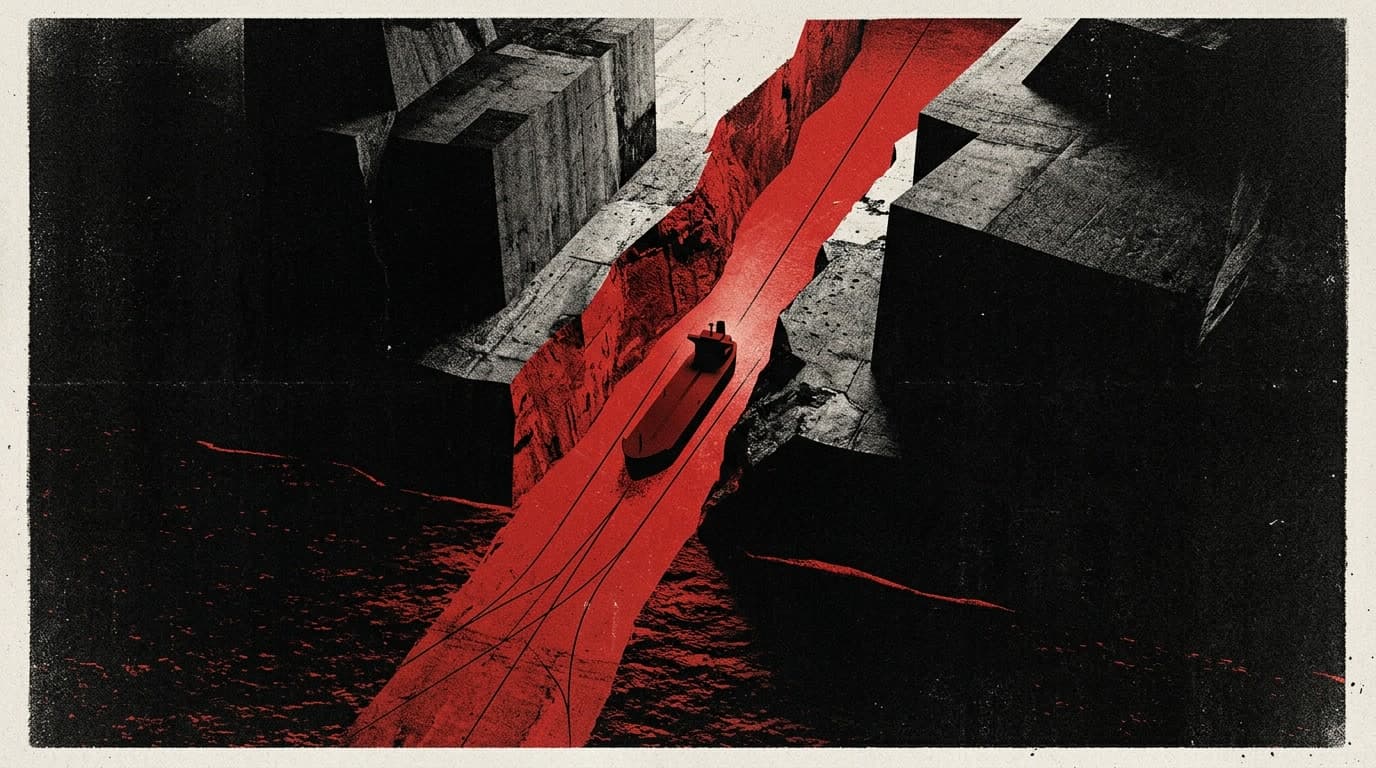
The ceasefire didn’t open Hormuz. That’s the signal. The route remains conditioned, and markets are already paying for it. The crisis has stopped being an “event” and is becoming a regime.
Thesis: the energy shock is now a structural risk premium. It hits trade, inflation, and credit at the same time. This is not a spike; it’s a higher floor.
1) The chokepoint is still binding
UNCTAD warns the Strait of Hormuz is still virtually closed and transits are down about 95% (from ~130 to ~6 per day). The energy shock is flowing into the real economy via freight costs, insurance, logistics, and final prices. It also projects global merchandise trade growth slowing to 1.5%–2.5% in 2026 from 4.7% in 2025, with global growth easing to 2.6%.
2) Energy has entered “permanent premium” mode
EIA’s latest STEO describes persistent risk: the Hormuz closure pushed Brent to $103/b in March and near $128 on April 2. The agency sees an average of $115/b in 2Q26 and a slow adjustment later in the year, but with a risk premium lingering into late 2026. It estimates shut‑ins around 7.5 mb/d in March and 9.1 mb/d in April. The same outlook cuts 2026 demand growth to 0.6 mb/d (from 1.2), assuming governments curb fuel use and shortages bite. That’s the key shift: both supply and demand are being managed by policy, not just price. This is not a one‑week shock; it’s a repricing of the cycle.
3) Reopening isn’t binary — it’s political
On April 9, CNBC reported that despite the ceasefire only two tankers had crossed since the announcement. Even the White House said a single supertanker would be a “huge chunk” of the missing supply. The real message is not open/closed — it’s permission, tolls, escorts, and risk. That turns crude into a geopolitical toll asset.
Implications
1) Stickier inflation. When prices embed access risk, disinflation slows even with softer demand. Energy costs everything.
2) Trade and debt strain. UNCTAD already flags financial stress and asset sell‑offs in emerging markets. With expensive energy and weaker currencies, the pain lands where buffers are thinnest.
3) Permanent crisis policy. Strategic releases, partial rationing, and demand controls stop being “emergency” tools and start becoming regular policy instruments.
Close
The world isn’t returning to normal; it’s learning to live with the chokepoint. Expect the premium to linger well beyond the headlines. Hormuz isn’t just a strait — it’s the price of risk, now baked into everything else.